Who was Colonel DeWitt?
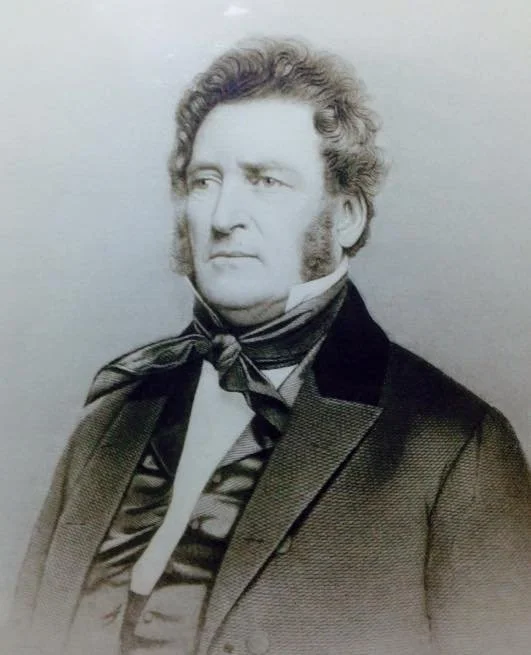
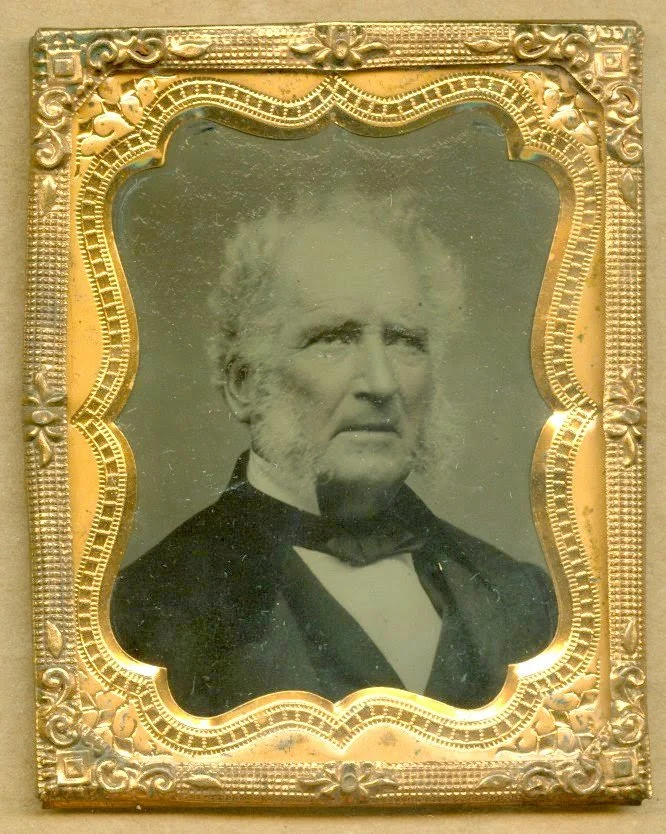
Colonel De Witt,
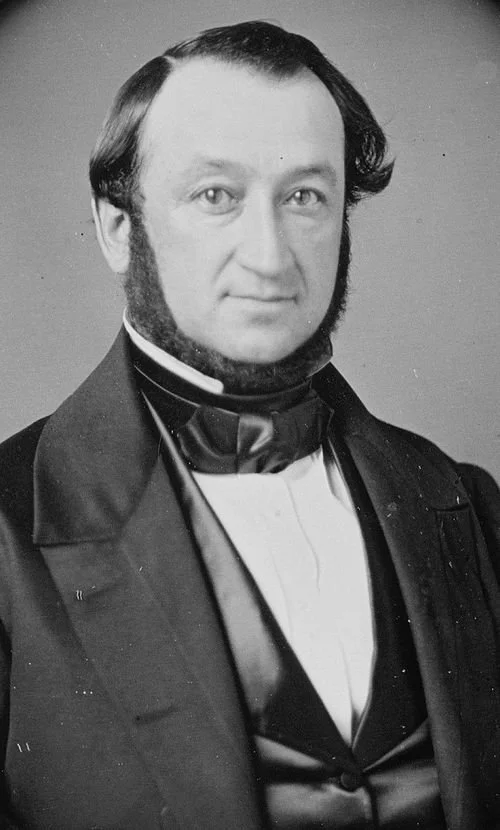
Alexander De Witt
19th-century businessman gave much to the town of Oxford
By Ellie Oleson, Correspondent
Alexander DeWitt was born more than two centuries ago and died, childless, in 1879, but he left a legacy in Oxford, where he was a successful banker and businessman, town official, U.S. congressman, benefactor, and founder of the Oxford Fire Department.
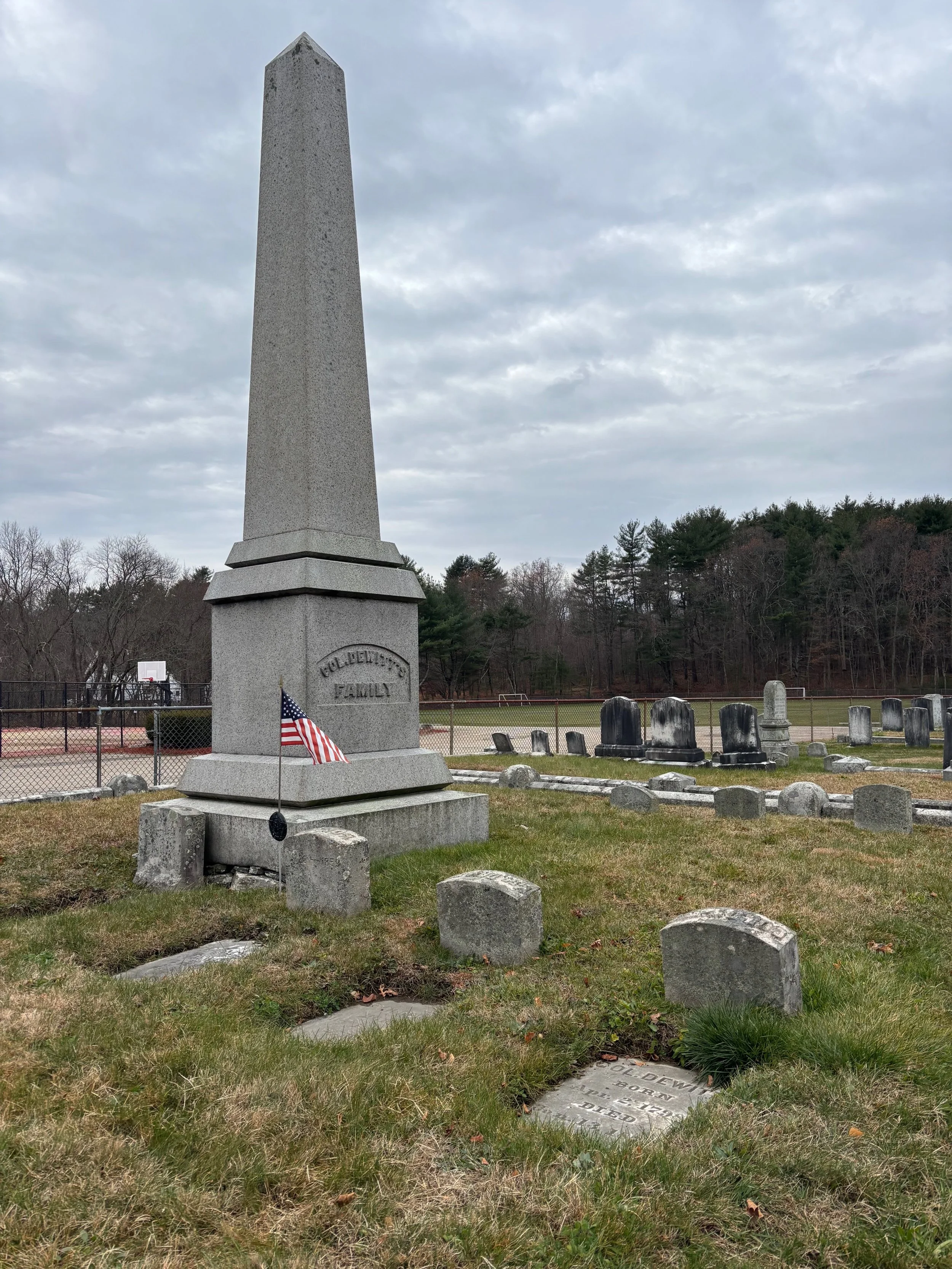
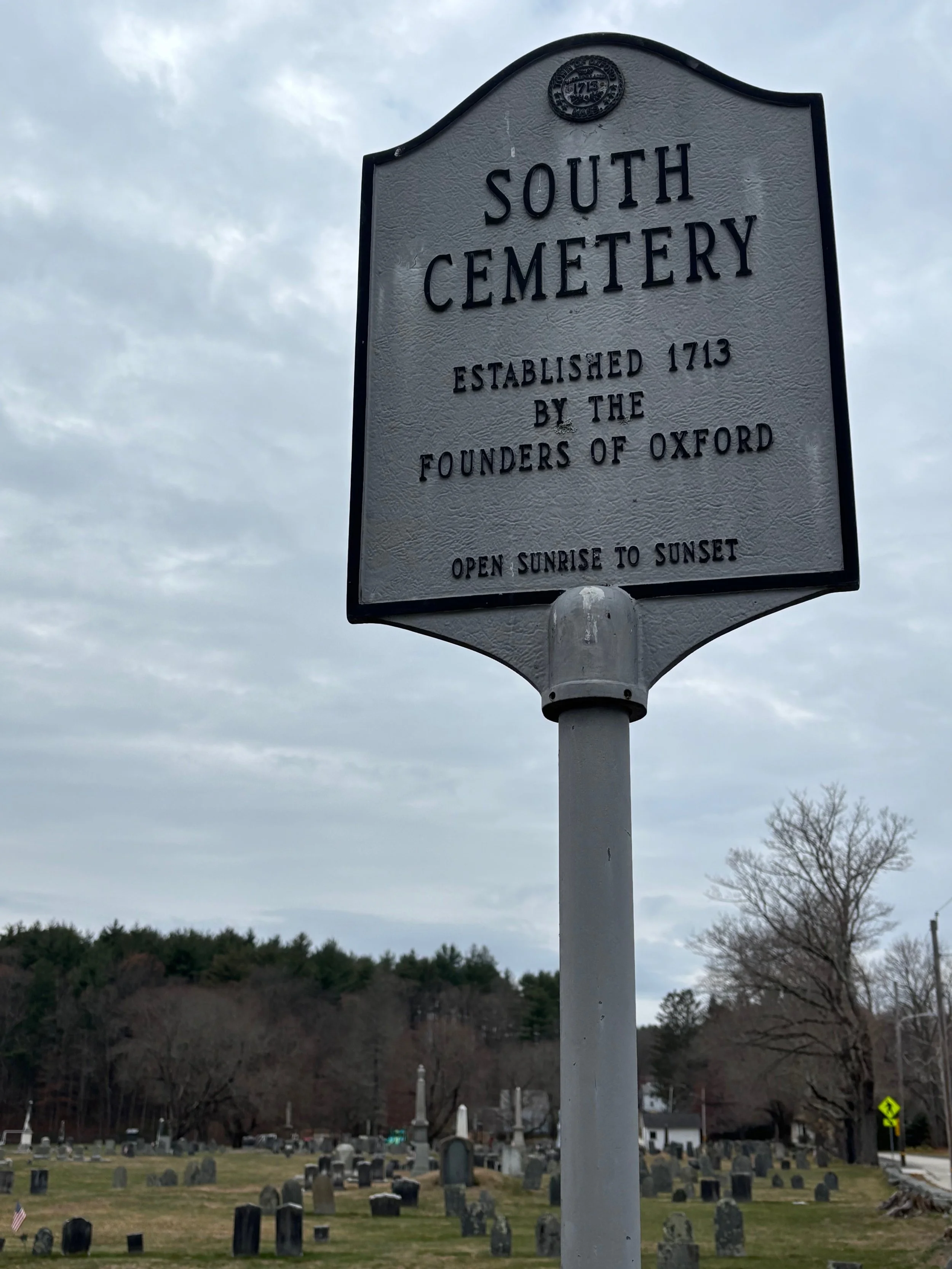
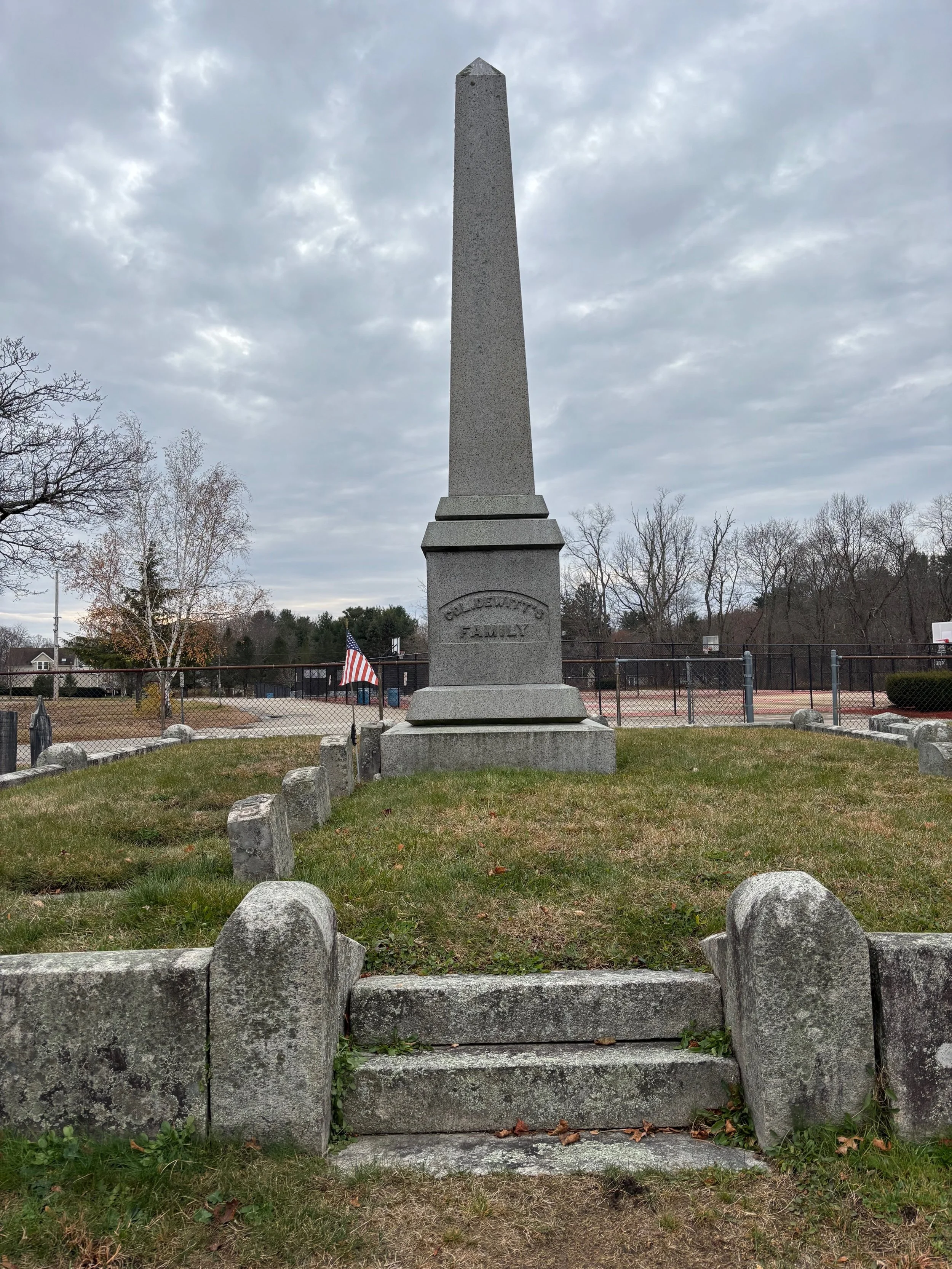
A large brass plaque, topped with the Masonic symbol, is mounted in his honor outside the selectmen’s meeting room on the second floor of Town Hall. A 10-foot granite obelisk, knocked down in a windstorm a decade ago and recently re-erected, stands on his gravesite in South Cemetery.
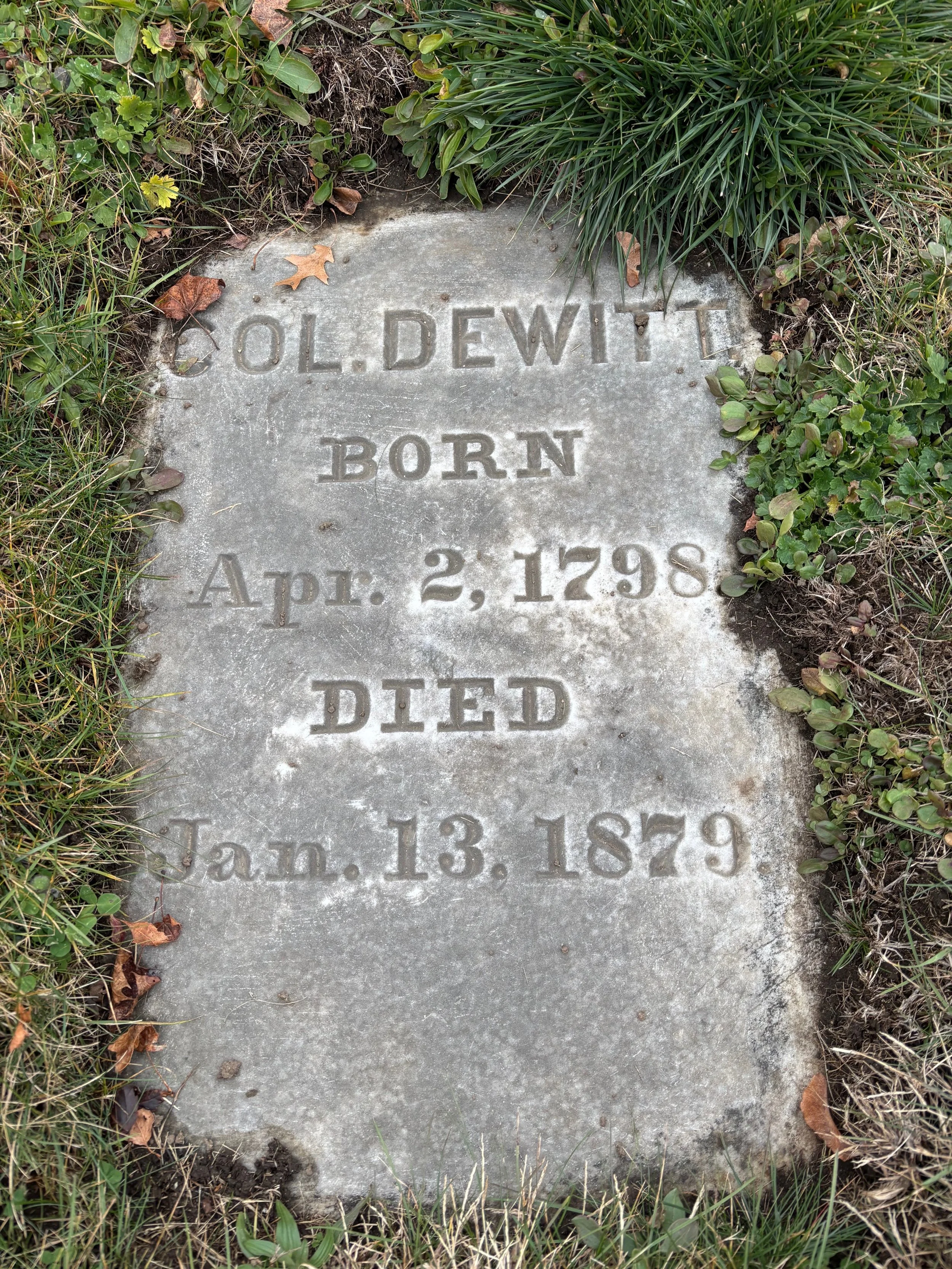
He was born April 2, 1798, the sixth of eight children of Revolutionary War veteran Benjamin DeWitt and Olivia Campbell DeWitt of New Braintree.
Alexander married Mary Makepeace of Franklin on June 5, 1820. He died Jan, 13, 1879. She died April 6, 1887.
Alexander DeWitt was 15 when he started his career as a clerk at the Merino Manufacturing Co. in Dudley.
Described by historian George F. Daniels as “a self-made man,” Alexander moved to Franklin in 1818, when, at age 20, he went into cotton thread manufacturing with a partner, Dr. Nathaniel Miller.. While in Franklin, he commanded a Massachusetts militia company and was named colonel of the 3rd Regiment of the 2nd Brigade when he was 29 years old.
He manufactured thread with his father-in-law, William Makepeace, in Franklin in 1823, later operating a mill and country store in Foxboro. In 1824, he and his three brothers, Stearns, Hollis and Archibald DeWitt, opened a mill in Buffum Village in Oxford. Col. DeWitt prospered and raised his sister Nancy’s children after her death.
He served as director of the Worcester Merchants and Farmers Insurance Co. and the State Mutual Life Assurance Co. He was president of Mechanics Savings Bank, Mechanics National Bank and Oxford Bank, and was president of the Worcester and Nashua Railroad and director of both the Providence and Worcester and the Norwich and Worcester railroads.
In Oxford, he served as town moderator, town agent, selectman, School Committee member, town treasurer, state representative and state senator. In 1853, Col. DeWitt was Oxford’s representative to the Constitutional Convention.
In 1852, he was elected as a member of the Free Soil party to the U.S. House of Representatives, where he served two terms representing the 9th Massachusetts District from 1853 to 1857, when he was the American Party’s candidate for lieutenant governor of Massachusetts.
“In person, he was large, of a florid countenance, attractive, and, in manner social, free and jovial,” wrote Mr. Daniels.
When a local military department was formed to meet the federal requirements for service in the Civil War, the resulting soldiers were called the “DeWitt Guards.”
Col. DeWitt was also known for his generosity. He donated land for the first town fire station in 1864 (the Former Barton Street FireStation), and, in his will, left $2,000 to the First Congregational Church “to furnish in each successive year to all the inmates of the poor-house on the 4th of July and on Christmas day with a fine dinner;” with other funds “to be paid to feeble, indigent women, members of the church, to prevent their ever becoming inmates of the poor-house.”
He left $1,000 to the First Congregational Society of Oxford “to be held in trust to keep at all times invested in safe and profitable securities” to be used “as necessary to care for my cemetery lot for all time,” with the balance to go to “purchase of books for the library of the Sabbath School.”
When Mrs. DeWitt died, the remainder of the DeWitt estate, estimated at $28,000, today valued at more than $1 million, was divided equally between the town and the First Congregational Church.
At the time, the town was still struggling to pay off its Civil War debt, which included a $100 to $150 “bounty” for each soldier who had served, plus funds to support families left behind. In the 1863 Town Report alone, $10,650 in bounties was paid to 71 volunteer soldiers, with another $4,283 given as “aid to families of volunteers.”
According to the large, brass memorial tablet in Town Hall, the DeWitts’ “residual bequest from their mutual fortune discharged the large war debt of the town, in grateful acknowledgement of which, the people have caused this memorial tablet to be erected to their memory.”
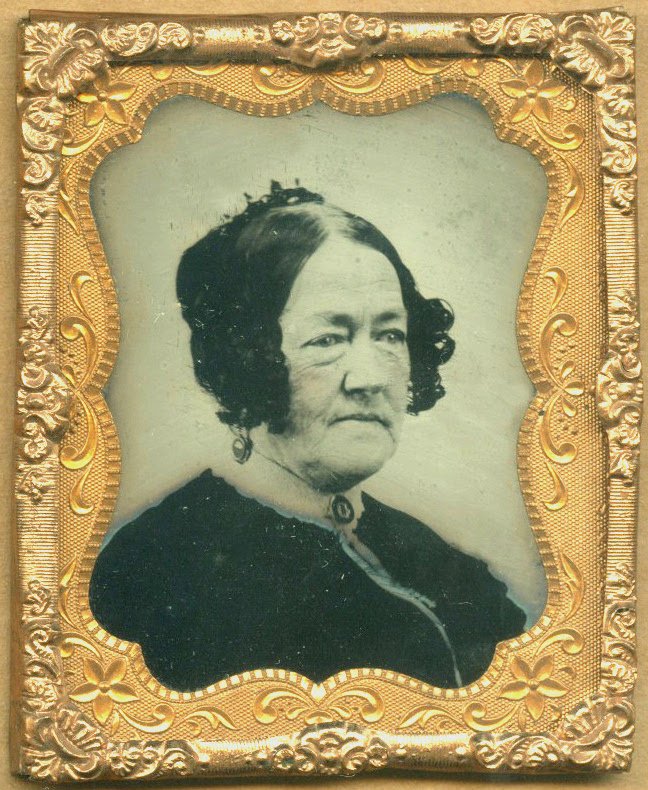
Colonel De Witt’s
wife, Mary Makepeace
The man who’s name is on the 1856 Jeffers Hand Pumper